USCIS I-130 Processing Time
Form I-130, Petition for Alien Relative, is the first step in sponsoring a family member for a Green Card. Processing times vary depending on the category type.
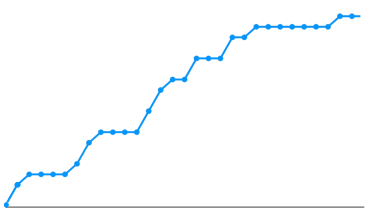
Our data indicates that Immediate Relatives (IR) of U.S. citizens (spouses, parents, and children under 18) going through consular processing are currently taking around 15 months. USCIS processing activity has been stalled since mid-March 2026 and end-to-end wait times have grown accordingly. Petitions filed from within the U.S. together with an Adjustment of Status (Form I-485) are typically processed faster. Other family-based categories are subject to annual visa quotas, which often result in significantly longer processing times.
To help applicants stay informed, Track My Visa provides free case tracking and backlog insights for I-130 petitions. By joining our platform, you can follow your case progress, explore real processing patterns, and better understand where your petition stands - all at no cost. Basic tracking and insights are free, forever, as part of our commitment to supporting I-130 applicants.
To better understand the differences between Immediate Relative and Family Preference categories, visit our FAQ.
Want to chat with other I-130 applicants? Join our Discord server!
I-130 application flow


Consular processing applies when the beneficiary lives outside the United States. Once USCIS approves the I-130, the case is forwarded to the Department of State's National Visa Center (also known as DOS), which coordinates the immigrant visa interview at a U.S. embassy or consulate abroad. The beneficiary then enters the U.S. on an immigrant visa and receives their Green Card shortly after arrival.
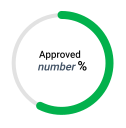
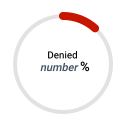
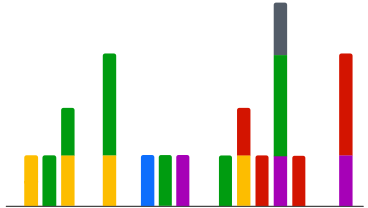
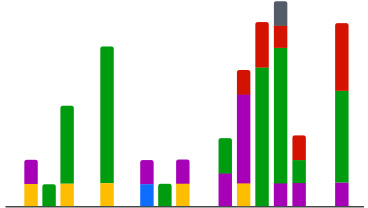
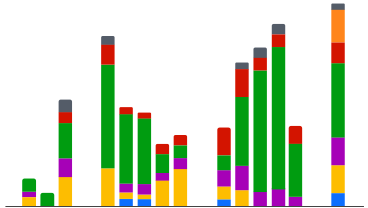
All cases start in the Received status. Most Immediate Relative cases are directly Approved, while a smaller share receive a Request for Evidence. Once USCIS receives the evidence, the status changes to Request for Evidence Received, after which most cases are approved. A small portion of cases are Denied at any stage.
To learn more about each status, visit our FAQ page.
What does the current case backlog look like?
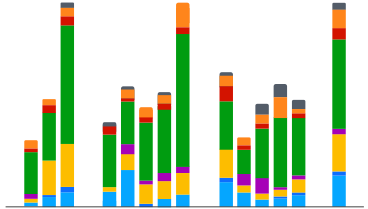
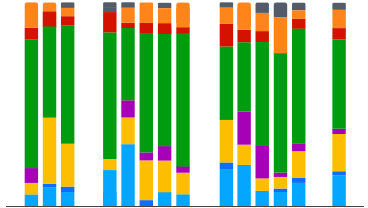
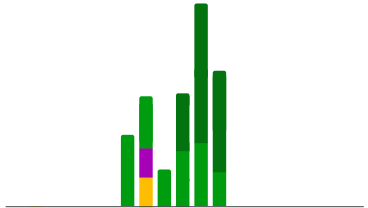
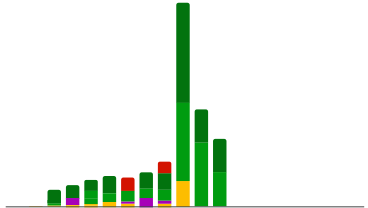
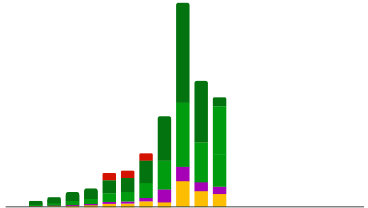
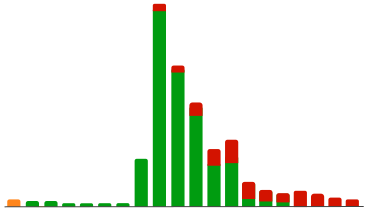
This graph shows the current status of I-130 applications being tracked on Track My Visa.
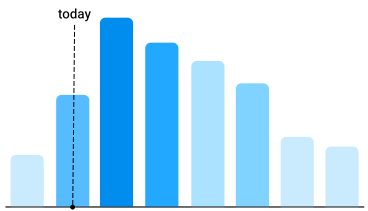
The backlog helps us understand the big picture. For example, we can see that USCIS generally processes cases in the order they were received.
Petitions filed concurrently with an Adjustment of Status (Form I-485) have the lowest wait times and are being processed on the right most side of the graph. In the middle of the graph, you will find a large spike in approvals and DOS transfers, corresponding to the processing of Immediate Relative consular petitions. Finally, applications subject to annual visa quotas account for about 20% of all I-130 cases and may take much longer to be processed.
Join Track My Visa to filter graphs based on your specific category type, monitor USCIS processing activity and to view a zoomed-in view of the backlog chart, all for free — alongside many other PRO-only features.