Blog Articles
Data-driven insights on USCIS processing times, trends, and what they mean for your case

Data-driven insights on USCIS processing times, trends, and what they mean for your case
What do we offer?
Your Neighbors
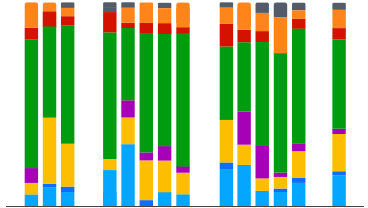
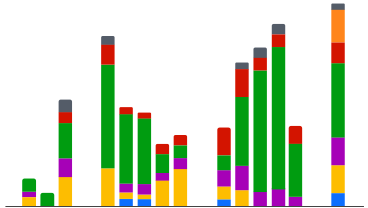
Breakdown
See how USCIS' progress for your filing date compares to their progress on nearby dates
Case Received Date
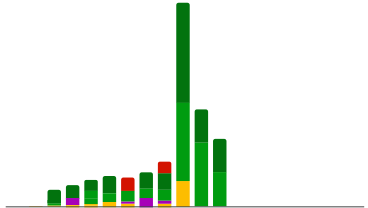
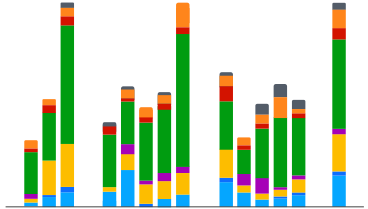
USCIS Activity
View where in the backlog USCIS is currently processing cases.
Month Received
Your Estimate
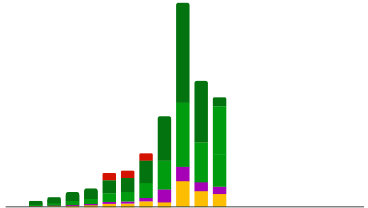
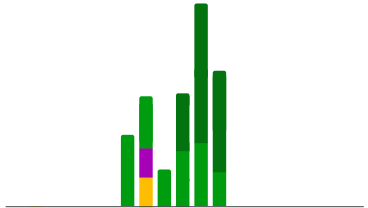
Weekly Forecast
See your chances of hearing back for each of the coming weeks
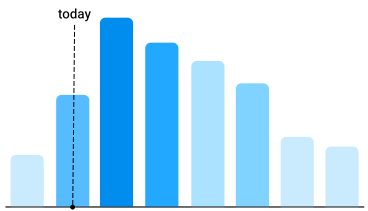
Days of Estimate
Your Estimate
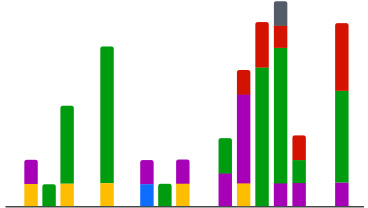
Next Status Odds
View the odds of transitioning to each possible next status
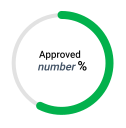
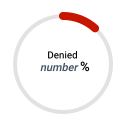
Your Neighbors
Recent Status Changes
Keep up with the latest USCIS activity in your date range
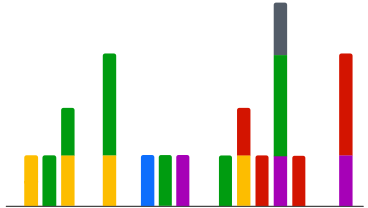
Case Received Date
Processing Time
Current Wait Time
See how long recently processed cases waited, depending on whether they were approved, denied, or rejected
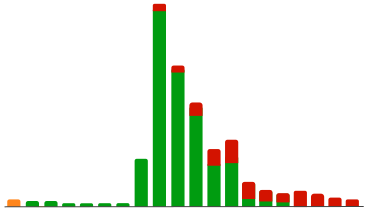
Number of Months
FOTL History
Activity History
Discover how quickly USCIS has been moving the front of the line forward over the last few weeks
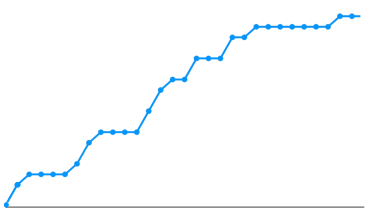
Working Weeks